iPhone 18 Pro Review: Big Camera Trick, Serious Price — Should You Upgrade?
The iPhone 18 Pro costs from £1,199 in the UK for 256GB, or £39.96 a month over 30 months at 0% APR from Apple, and its variable-aperture 48MP main camera makes it the right upgrade for iPhone 15 Pro owners and keen photographers, but not worth the money if you already own an iPhone 17 Pro.
Key takeaways by upgrade path
- From an iPhone 15 Pro or older: upgrade. The variable-aperture camera, 8x optical-quality zoom and up to 36 hours of video playback add up to two generations of progress.
- From an iPhone 16 Pro: Apple’s flat £455 trade-in credit brings the real upgrade cost down to £744, which makes the camera jump reasonable if you shoot a lot in low light.
- From an iPhone 17 Pro: skip it. The gains are real but small for the money, so waiting for next year’s model is the better call.
UK price: what you will actually pay
| Storage | iPhone 18 Pro | Per month (30 months, 0% APR) | iPhone 18 Pro Max |
|---|---|---|---|
| 256GB | £1,199 | £39.96 | £1,299 |
| 512GB | £1,399 | £46.63 | £1,499 |
| 1TB | £1,799 | £59.96 | £1,899 |
| 2TB | £2,399 | £79.96 | £2,499 |
Prices are Apple’s UK list prices, VAT included, so £1,199 is the whole amount that leaves your account, and they have been on sale since 18 September. You can check the current configuration prices on Apple’s UK store, and the full tier breakdown, including the monthly maths, is set out in MacObserver’s UK pricing round-up. Two things soften the blow. Apple offers 0% finance over 30 months, so the 256GB model is £39.96 a month rather than a four-figure hit. And trade-in is unusually simple this year: an iPhone 16 Pro or later earns a flat £455 in instant credit, which brings the real cost of upgrading from a recent Pro down to £744.
Our buying advice is boring but right: 256GB is enough for most people now that so much lives in iCloud. Pay for 512GB only if you shoot a lot of ProRes video. The 1TB and 2TB tiers are for professionals who know exactly why they need them.
The camera is the story
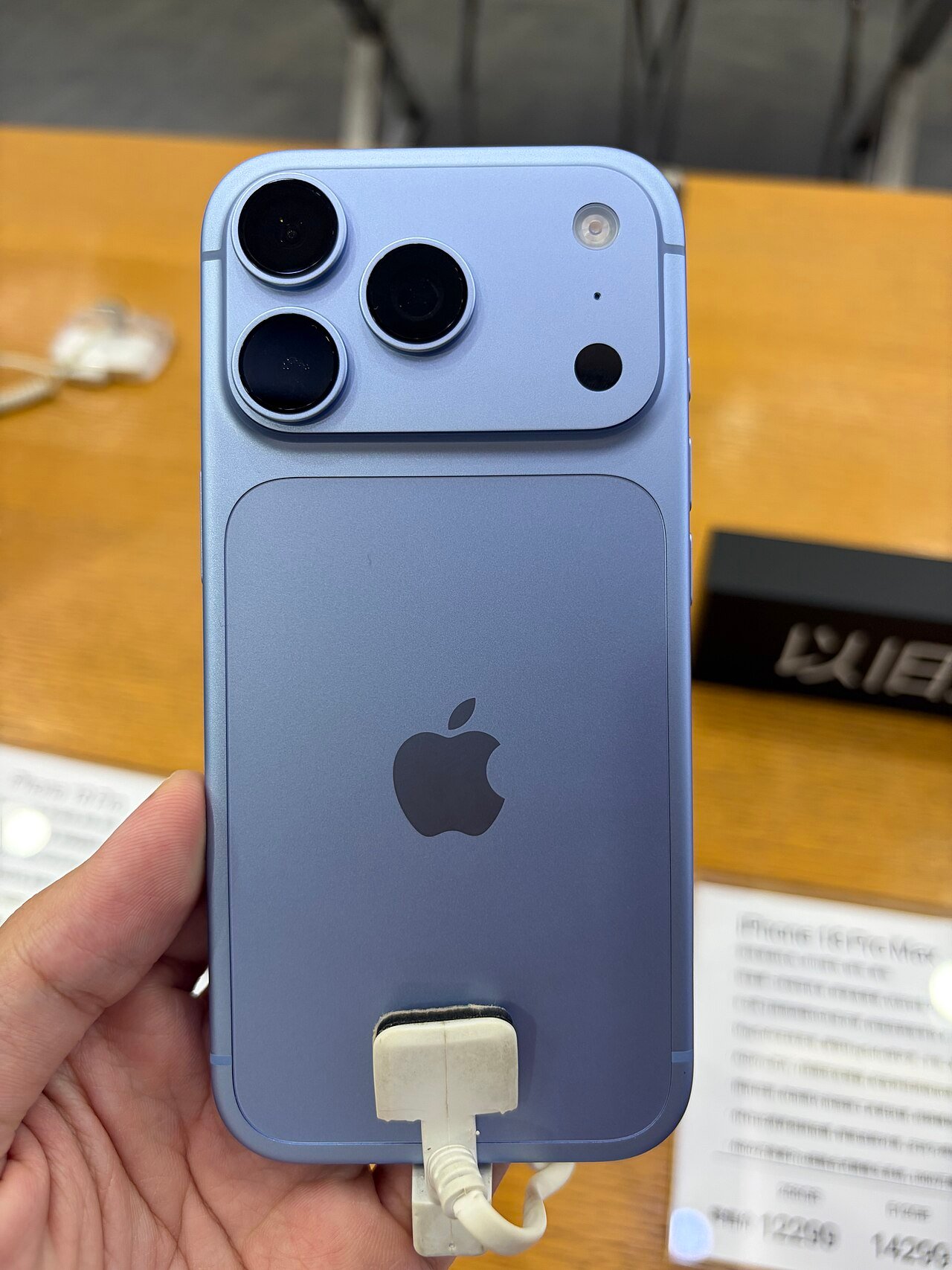
Every 18 Pro gets the same 48MP Fusion main camera with a variable aperture, and it is worth explaining plainly what that buys you. A fixed-aperture phone camera copes with bright and dark scenes by changing shutter speed and ISO, which is why night shots from older phones can look smeary or grainy. A variable aperture lets the lens itself open up in low light and stop down in sunshine, the way a real camera does. In practice, reviewers found cleaner evening photos, better control of depth of field for portraits, and less of the over-processed look that phones get criticised for. The 48MP front camera and 8x optical-quality zoom round out a system that feels like a step change rather than a spec bump.
The A20 Pro chip keeps everything instant, the vapour chamber cooling means long 4K video sessions no longer turn the phone into a hand warmer, and Apple quotes up to 36 hours of video playback, which in normal mixed use translates to a comfortable day and a half. One UK-specific detail worth knowing: unlike the US models, British iPhone 18 Pros keep a physical SIM tray, handy if you swap SIMs or use a local card when travelling.
What we do not love
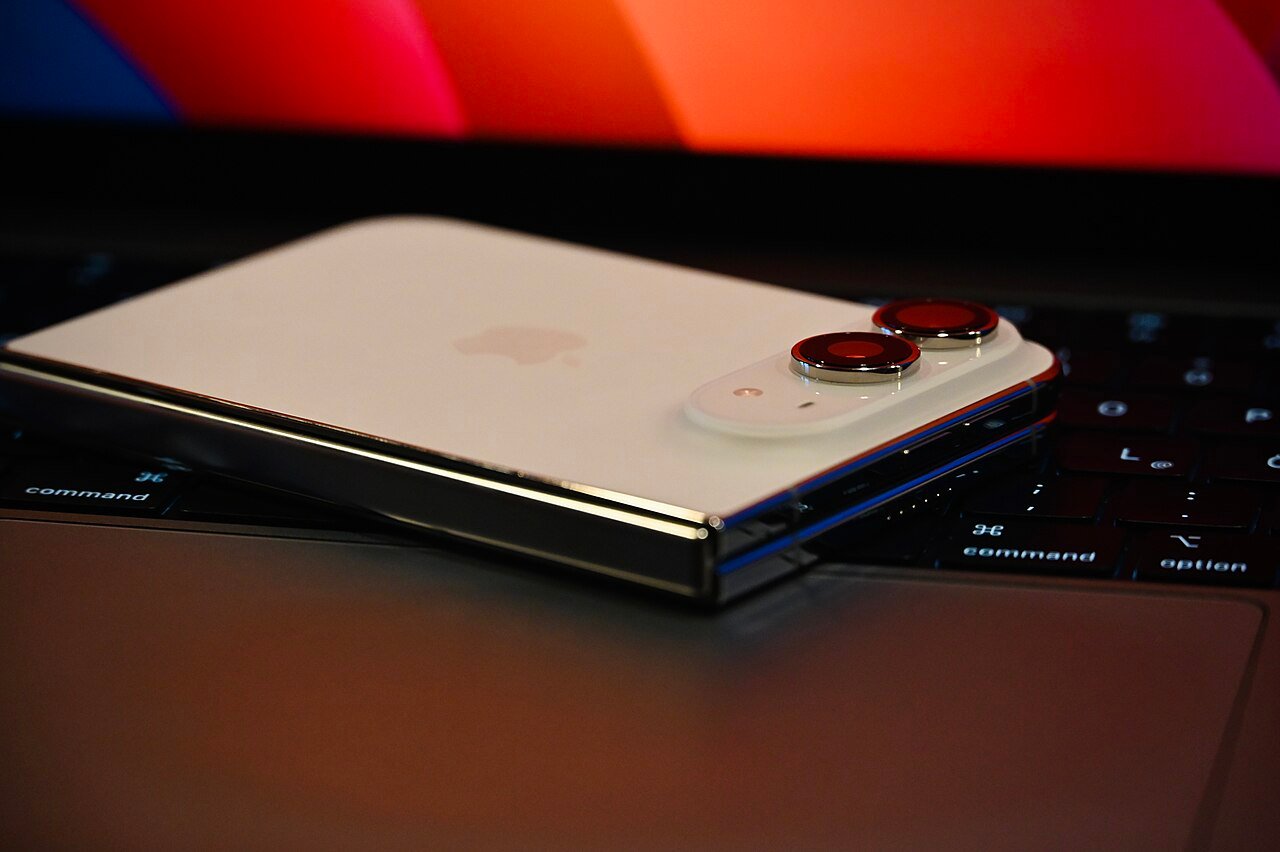
The price ladder is steep. The jump from 512GB to 1TB costs £400, which is a lot of money for storage in 2026. The phone is also a refinement of a familiar design; if you were hoping for something that looks new across a room, Apple’s folding iPhone Duo is the interesting one, at a far less friendly price. And as ever, the best camera features reward people who actually shoot photos. If your camera roll is mostly screenshots and parking tickets, the standard iPhone 18 will serve you just as well for hundreds less.
Should you upgrade?
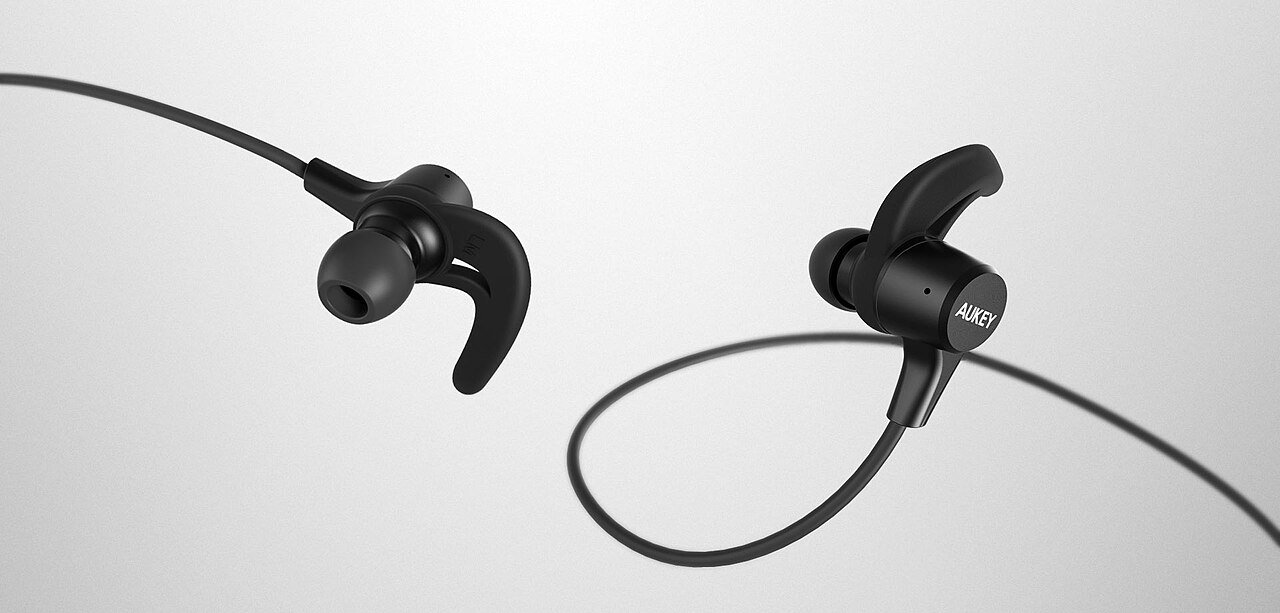
From an iPhone 15 Pro or older: yes, if the camera matters to you. The combination of the variable aperture, the zoom and the battery makes this feel like two generations of progress, and the £455 trade-in on a 16 Pro sweetens it further. From a 16 Pro: only if you shoot a lot of low-light photography; otherwise your phone has years left. From a 17 Pro: honestly, no. Enjoy the phone you have and let this one be next year’s upgrade. Whichever you choose, pair it with decent earbuds; our guide to the best wireless earbuds in the UK covers five picks from £129.
Battery, performance and the everyday stuff
Flagship reviews obsess over cameras and forget the phone is also an alarm clock, a wallet and a sat nav. So, briefly: the A20 Pro never stutters, including in the games that used to warm up last year’s model, and the vapour chamber is doing real work there. Face ID is as fast as ever, the speakers are loud enough for a kitchen podcast without a smart speaker, and call quality on UK networks is faultless. Battery is the quiet headline. Apple’s 36-hour video figure is a laboratory number, but translated into real life it means heavy users finish the day with something in the tank instead of hunting for a socket at 6pm, and light users can flirt with a second day. Charging is faster this year too, with a 50% top-up in about 15 minutes on a suitable wired charger, which changes habits: short charges replace the overnight ritual.
What about the Android rivals?
Fair question, because £1,199 buys serious Android hardware. Samsung’s and Google’s flagships compete hard on zoom range and AI features, and both undercut Apple on storage pricing. What keeps the 18 Pro ahead for most British buyers is the combination rather than any single spec: the camera consistency, the resale value (iPhones hold their price better than any rival when you sell in two years), and an accessory and repair network that exists on every high street. If you are deep in Google services or want a folding screen, look at the rivals seriously. If you want the phone that simply gets everything right, this is it.
Pro or Pro Max?
The Max costs £100 more at every storage tier and gives you a larger 6.9-inch display and a bigger battery in return; the camera system and chip are identical. If you read and watch a lot on your phone and your hands are comfortable with the size, the Max is the better buy. If you use your phone one-handed on trains and in queues, the standard Pro is the one that disappears into your day. There is no wrong answer here, only a size preference, which is why we suggest holding both in a shop before ordering.
Common questions
How much is the iPhone 18 Pro in the UK?
From £1,199 for 256GB, rising to £1,399 (512GB), £1,799 (1TB) and £2,399 (2TB). The Pro Max costs £100 more at every tier. Apple offers 0% finance over 30 months, from £39.96 a month.
What is variable aperture, in plain English?
The main camera’s lens can physically open wider in low light and narrow in bright light, like a traditional camera. It means cleaner night photos and more natural portrait blur without relying purely on software.
How much trade-in does Apple give?
Apple UK currently offers a flat £455 in instant credit for an iPhone 16 Pro or later in good condition. Older models earn less, and networks and resellers sometimes beat Apple’s figure, so it is worth one comparison before you commit.
Does the UK iPhone 18 Pro have a SIM tray?
Yes. The UK is not one of Apple’s eSIM-only markets, so British models keep the physical SIM tray alongside eSIM support.