Energy Price Cap Rises 26% in January: What It Means for Your Bill
Ofgem announced on 25 November 2026 that the energy price cap will rise by 26% from 1 January 2027, taking a typical household paying by Direct Debit for both gas and electricity from £1,723 to £2,166 a year, an increase of £443, with around 20 million households on standard variable tariffs affected, around 10 million households on fixed tariffs unaffected while their fix lasts, and £100 of government help towards bills promised to around 20 million households from January.
What matters most, by your tariff
- On a standard variable tariff: your unit rates change automatically on 1 January 2027, with electricity rising to 32.69p per kWh and gas to 10.96p per kWh, which is why a typical Direct Debit bill annualises at £2,166 instead of £1,723.
- On a fixed tariff: nothing changes while your fix lasts, because fixed deals sit outside the cap; around 10 million households are in this position, and the January rise only reaches you when your deal ends.
- Worried about paying: the Government has announced that around 20 million households will receive £100 towards their energy bill from January, and this cap runs only until 31 March 2027, with the next level due to be announced by 23 February 2027.
What are the new rates from 1 January?
The cap sets the maximum unit rates and standing charges for households on standard variable tariffs in Great Britain. Standing charges barely move in January; the pain is in the price of each unit, especially gas, which rises by more than a third per unit. The figures below are the national averages for customers paying by Direct Debit, as set out in Ofgem’s announcement of the January cap.
| Charge | Now | From 1 January 2027 | Change |
|---|---|---|---|
| Electricity unit rate | 27.84p per kWh | 32.69p per kWh | +17.4% |
| Gas unit rate | 8.05p per kWh | 10.96p per kWh | +36.1% |
| Electricity standing charge | 53.68p a day | 54.77p a day | +2.0% |
| Gas standing charge | 29.03p a day | 29.65p a day | +2.1% |
Two details in the small print are worth knowing. Electricity carries no VAT under a temporary zero rate that runs to 30 June 2027, while gas still includes VAT at 5%. Rates also vary slightly by region and payment method, so treat these as the national picture, not a quote for your postcode.
Why is the cap rising so sharply?
Ofgem points to the wholesale market, as it usually does, but the size of this rise has specific causes. Continued conflict in the Middle East has pushed up international gas prices, and because Britain buys much of its gas on those international markets, the increase feeds straight through to household tariffs. On top of that, European gas storage is lower than it was this time last year, and the UK’s pipeline and LNG capacity has made us more exposed to spot prices. The cap is, in effect, a pass-through of those wholesale costs, plus the cost of the suppliers’ own operations.
For context, the new typical figure of £2,166 a year is close to the peak of the 2022/23 energy crisis, when the Energy Price Guarantee held typical bills at £2,500 a year, and it is also close to the April 2025 cap level of £2,164 a year. What makes January 2027 different is the speed of the change: a rise of £443, or 26%, in a single quarter, after a period when energy bills had been falling.
Does the cap limit your total bill?
No, and this is the single most misunderstood thing about it. The price cap limits the unit rates and standing charges your supplier can charge, but your total bill depends on how much energy you use. Use more, and you pay more; use less, and you pay less. A large family in a draughty house will pay far more than £2,166 a year, while a single person in a small flat will pay far less. The cap is not a cap on your bill. It is a cap on the rate.
The “typical” household in Ofgem’s figures uses 2,500 kWh of electricity and 9,500 kWh of gas a year. That is the benchmark the £2,166 figure is based on. Your household could be very different. If you use more than the typical amounts, you can use Ofgem’s figures to estimate your bill, but you will need your own usage figures. The energy regulator has a guide to typical usage figures for households of different sizes, and if you know how much you use, the maths is straightforward: your unit rates times your usage, plus your standing charges.
Should you fix your tariff before January?
This is the question everyone asks, and the honest answer is that it depends on what you are protecting yourself from. A fix protects you from further rises in the next year, but if you want to leave early, you will usually face an exit fee. The cheapest fixed tariffs are around 20% below the January cap, but they are not the same as the cheapest variable tariffs, and the savings are smaller than they look when you factor in the exit fees. EDF’s guide to the January 2027 price cap walks through how the new level affects different payment types, including prepayment and standard credit customers, and the key point is that the cap is not a single figure.
The catch is that fixes on sale in January will be priced using the same expensive wholesale market as the cap itself, so they will not be cheap. If you fix now, you lock in today’s prices. If you wait until January, you will be fixing at the new, higher level. The calculation is not just about the rate, but about the exit fee, the length of the fix, and how much you value certainty. If you fix for 12 months and prices fall, you will be paying more than the cap. If you fix for 24 months and prices rise, you will be glad you did.
What about the £100 help, and who gets it?
The Government has announced that around 20 million households will receive £100 towards their energy bills, paid as a £100 credit on their bills in January, and the support is expected to go to households in England, Scotland and Wales, with separate arrangements in Northern Ireland. The payment will be made automatically to households that are eligible, and the Government says it will be paid to around 20 million households, including those on low incomes, pensioners, and households with children. More details are expected in the weeks before January, and we will update this section when they are announced.
Household costs are under pressure from several directions at once this winter, which is also the backdrop to the trade measures in the Cutting Costs Bill we covered recently.
Energy is not the only household bill that rewards switching: our guide to broadband switching explains how changing provider could save you money too.
What is worth doing this week?
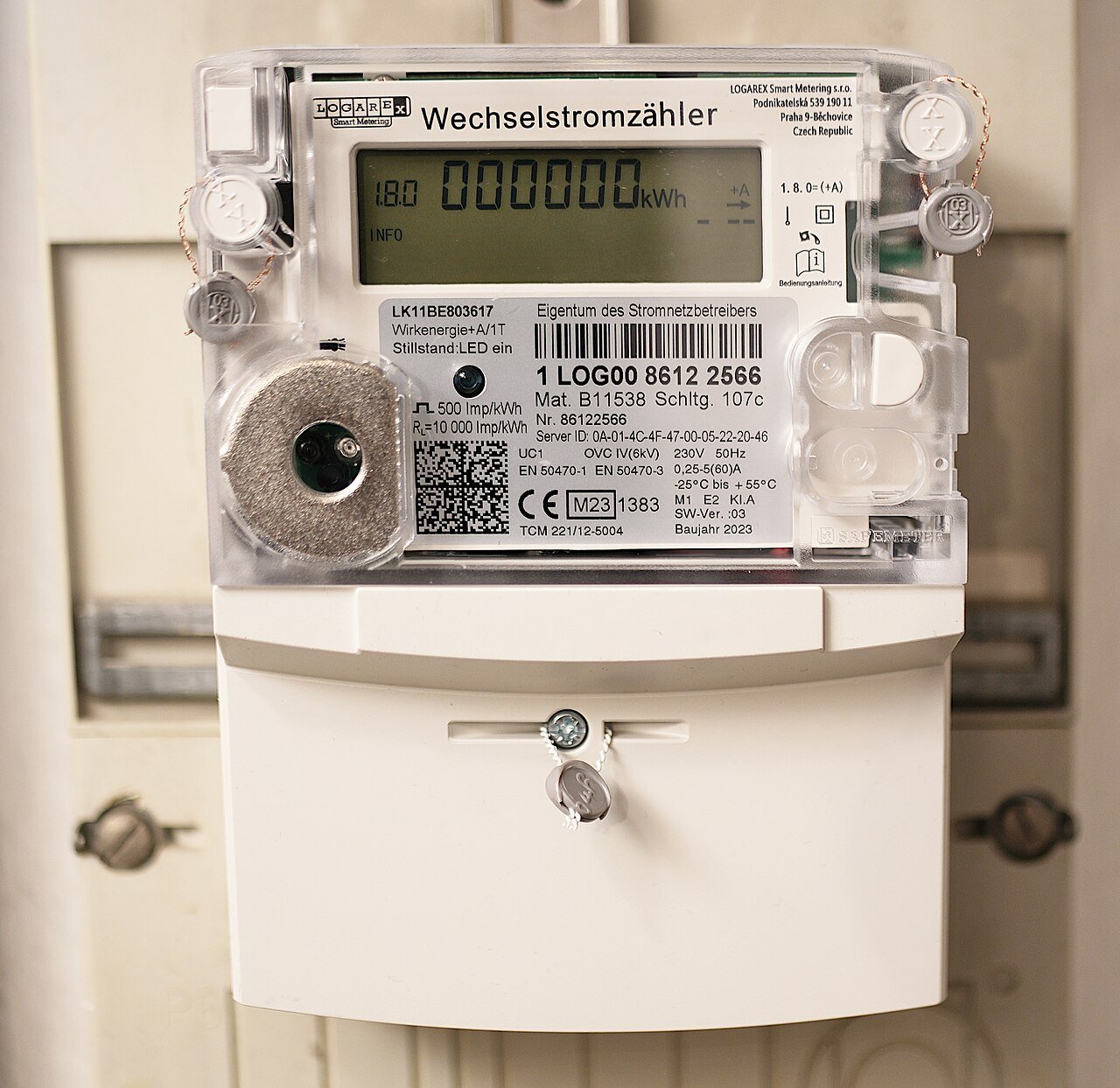
Three small jobs will save you real money or real hassle. First, take a meter reading on 31 December, if you can, and submit it to your supplier on 1 January, so that your usage is billed at the right rate. Second, check your tariff: millions of households are on standard variable tariffs without knowing it, because their fixed deals have expired. Third, check whether you are eligible for the £100 help, and if you are on a low income, check whether you can get the Warm Home Discount.
Second, confirm which tariff you are actually on. Millions of households drifted onto standard variable tariffs when their fixed deals ended, and did not notice, so it is worth checking before you try to fix. If you are on a variable tariff, you are on the cap, and your rates will rise on 1 January. If you want to sanity-check what a 26% rise does to a bill of your size, the percentage calculator on our free tools page does it in seconds.
Common questions
How much is the energy price cap from January 2027?
From 1 January 2027, a typical household paying by Direct Debit for gas and electricity will pay £2,166 a year, up from £1,723 a year, an increase of £443 (26%). The new unit rates are 32.69p per kWh for electricity and 10.96p per kWh for gas, with standing charges of 54.77p a day for electricity and 29.65p a day for gas.
Does the price cap limit my total bill?
No. The cap limits unit rates and standing charges, not your total bill, so you pay for what you use. A household that uses more energy than the typical 2,500 kWh of electricity and 9,500 kWh of gas a year will pay more than £2,166.
I am on a fixed tariff. Does the January rise affect me?
Not while your fix lasts. Around 10 million households on fixed tariffs sit outside the cap, so the January rise does not change their rates. When the fix ends, you will move onto the standard variable tariff, and your rates will be set by the cap level at that time.
When will the April 2027 price cap be announced?
The cap level for April to June 2027 will be announced by 23 February 2027. Until then, the January level applies, and the next announcement will set the rates for April onwards.